
Unlock Your Athletic Potential
Discover science-backed recovery strategies and performance optimisation techniques designed for serious athletes. Learn how elite performers enhance their training outcomes through intelligent recovery planning.
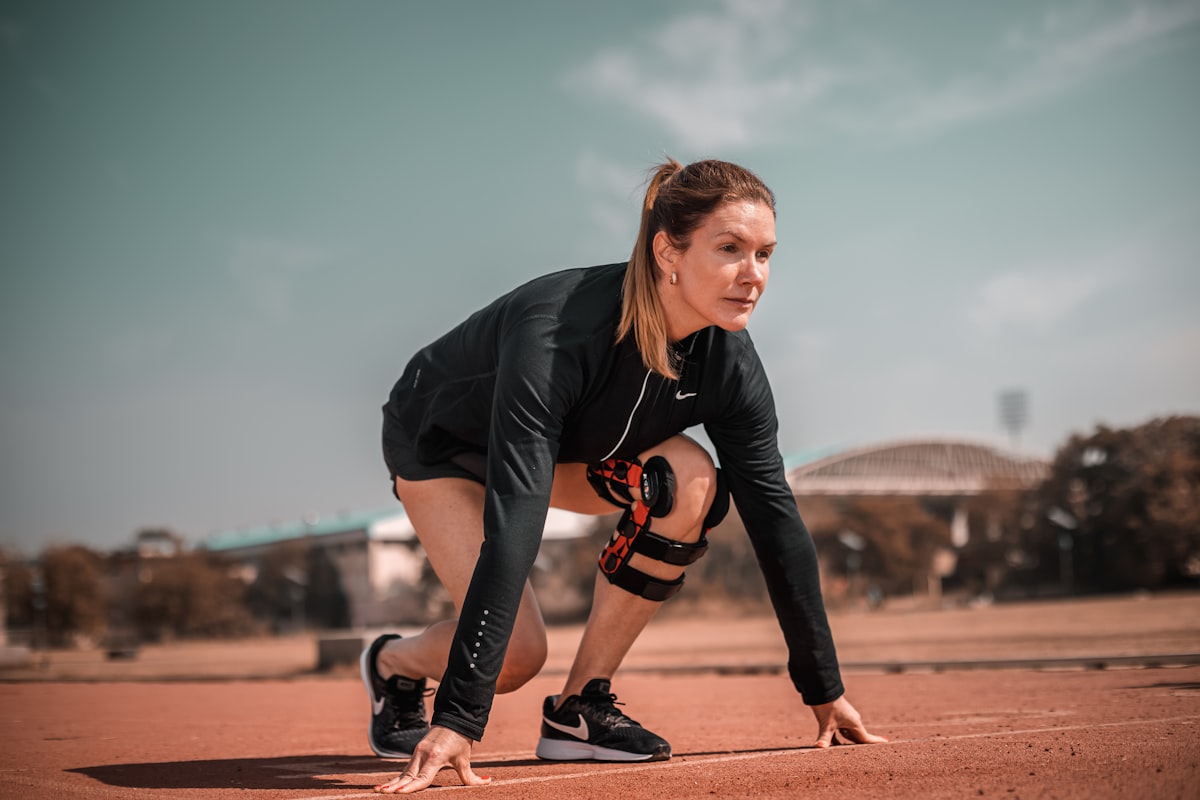
Evidence-Based Methods
Grounded in sports science research and athlete feedback.
Performance Metrics & Impact
Understanding key performance indicators helps athletes measure progress and optimise recovery protocols effectively.
Heart Rate Variability
Monitor nervous system recovery state and readiness for intense training sessions through HRV tracking methods.
Training Load Balance
Maintain optimal stress-recovery ratio by balancing high-intensity workouts with adequate restoration periods.
Sleep Quality Tracking
Measure sleep duration and quality metrics essential for muscle repair, hormonal regulation, and mental performance.
Performance Progression
Track strength gains, endurance improvements, and technique refinements across training cycles systematically.
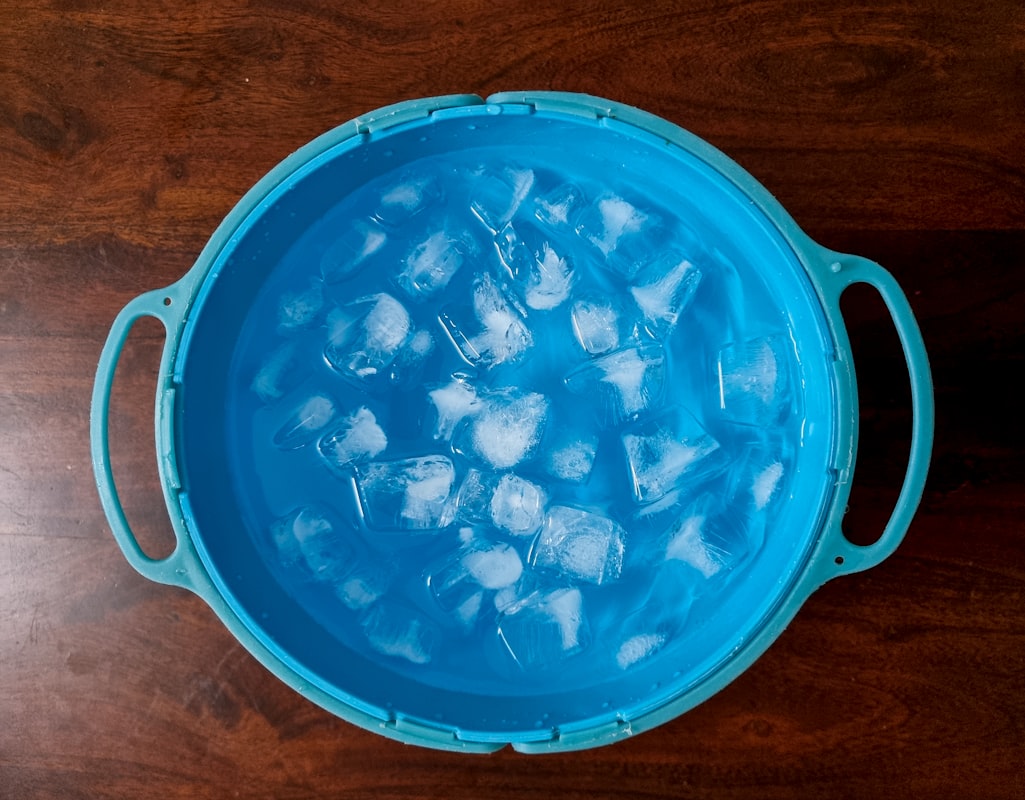
Recovery Science Explained
Modern sports science reveals that athletic gains occur during recovery periods, not during training sessions. Understanding the physiological adaptation process—from metabolic restoration to nervous system recovery—enables athletes to structure programs that maximise performance development.
- Muscle Protein Synthesis: Post-training window optimisation for hypertrophy and strength gains through strategic nutrition timing.
- Nervous System Recovery: Parasympathetic activation through proper cool-down protocols and stress management techniques.
- Hormonal Regulation: Cortisol management and testosterone optimisation through sleep quality and lifestyle factors.
- Glycogen Replenishment: Carbohydrate timing strategies to restore energy stores and fuel subsequent training sessions.
Key Recovery Strategies
Proven methods athletes use to enhance recovery and accelerate adaptation between training sessions.

Sleep Optimisation
Prioritise 7-9 hours of quality sleep nightly. Establish consistent sleep schedules, control bedroom environment (cool, dark, quiet), and manage blue light exposure before bedtime to enhance deep sleep phases.
Read article
Nutrition Strategy
Consume protein-rich meals post-training within the metabolic window. Ensure adequate carbohydrates for glycogen restoration and micronutrient variety through whole foods to support immune function and adaptation.
Read article
Active Recovery
Engage in light-intensity movement on rest days—walking, cycling, swimming, or yoga. These low-stress activities promote blood flow and nutrient delivery to fatigued muscles without adding training stress.
Read article
Stress Management
Implement meditation, breathwork, or mindfulness practices to activate parasympathetic nervous system. Chronic stress elevates cortisol, impairing recovery, so mental wellness directly supports physical adaptation.
Read article
Mobility Work
Dedicate 10-15 minutes daily to stretching and foam rolling. These techniques reduce muscle tension, improve range of motion, enhance movement quality, and prepare muscles for subsequent training sessions.
Read article
Hydration Protocol
Maintain consistent hydration throughout training and recovery phases. Water supports nutrient transport, thermoregulation, and waste removal. Electrolyte balance becomes critical during intense or prolonged sessions.
Read articleTraining & Recovery in Action
Explore real-world applications of recovery science through practical examples and case studies.

Strength Training Integration
Combine heavy resistance work with progressive recovery cycles. Example: 4-day upper/lower split allowing 72 hours muscle group recovery between sessions for optimal strength adaptation.
Hypertrophy Focus
Endurance Programme Design
Structure training with alternating high-intensity sessions and easy-pace recovery runs. Include one long, steady effort weekly. Vary intensity to prevent overtraining while building aerobic capacity.
Aerobic Development
Team Sport Recovery
Implement sport-specific recovery routines post-match: cool-down drills, hydration protocols, protein intake within 30 minutes. Schedule lower-intensity sessions 48 hours post-competition for full CNS restoration.
Performance Periodisation
Injury Prevention Strategy
Integrate mobility sessions, activation work, and proper warm-up protocols. Include deload weeks monthly where training intensity drops 40-50%. Prioritise movement quality over heavy loads when fatigued.
Longevity Focus
Data-Driven Recovery
Track heart rate variability, sleep quality, and perceived fatigue daily. Use this data to auto-regulate training intensity. Skip planned sessions if recovery markers indicate insufficient restoration readiness.
Self-Regulation
Nutrition Timing Protocol
Consume carbohydrates and protein within 30-60 minutes post-training. Prepare meals in advance: grilled chicken, brown rice, vegetables. Hydrate aggressively during first 4 hours after training ends.
Metabolic WindowAthlete Success Stories
Read how athletes improved performance through systematic recovery implementation.
"Implementing structured recovery protocols transformed my training results. By focusing on sleep quality and proper nutrition timing, my strength gains improved significantly while I felt less fatigue. The evidence-based approach made all the difference in my performance progression."
James Mitchell
Manchester, UK
"As a competitive runner, recovery was my weak point. Learning about active recovery days and proper hydration protocols completely changed my training outcomes. My weekly mileage improved, and I feel stronger than ever. Outstanding guidance on practical application."
Sarah Johnson
London, UK
"The recovery science content helped me understand why I was plateauing. By implementing deload weeks and tracking heart rate variability, I finally broke through my strength barriers. The evidence-based articles provided exactly what I needed to optimise my training cycle."
David Chen
Birmingham, UK
"Recovery used to be an afterthought in my training. Learning about parasympathetic activation and stress management helped me stay injury-free while increasing performance. The holistic approach to wellness alongside training is exactly what elite athletes need."
Emma Williams
Leeds, UK
Common Performance Questions
Answers to frequently asked questions about recovery and athletic performance optimisation.